A beautiful day in Austria

posted by brommel @ 01:18
0 comments


Labels: cultural innovations, identity, Japan, weird, wild life
posted by brommel @ 01:16
0 comments


 Kashgar, Xinjiang, August 2010.
Labels: celebrities, China, cultural innovations, entertainment, identity, Mao cult
posted by brommel @ 01:19
0 comments


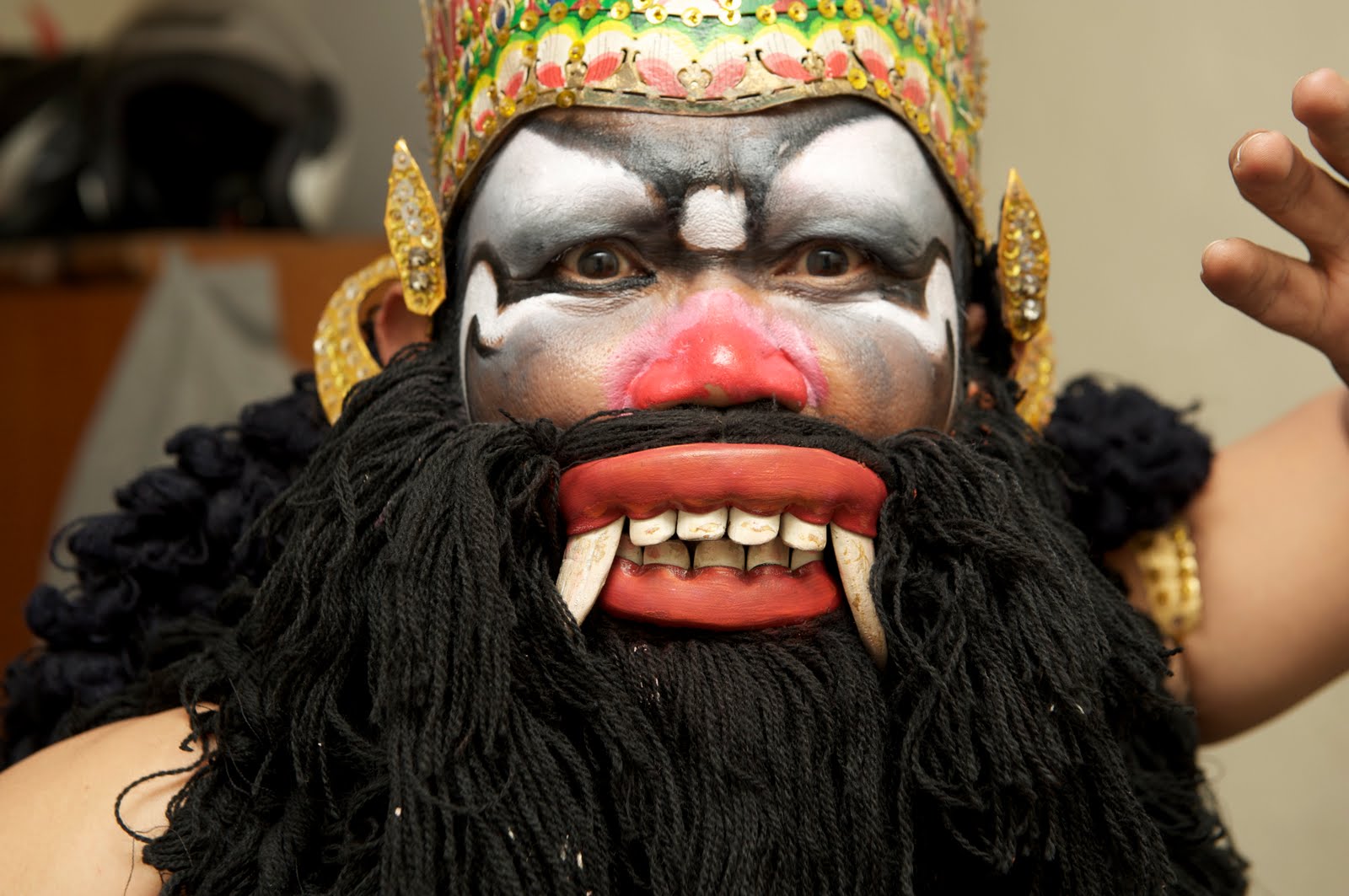


 Jakarta, Indonesia, February 2010.
Labels: Art, dance, festivals, heritage, identity, Indonesia, Java, tradition, wayang orang
posted by brommel @ 01:07
0 comments


 Ubud, Bali, November 2009.
Labels: Bali, cultural innovations, identity, in style, Indonesia, offerings, religion
posted by brommel @ 02:05
0 comments
 Losing a child is probably one of the worst kind of losses anyone could possibly go through. The way Torajan people bury babies may offer some comfort. Babies less than six month old are buried in big trees. A square hole is opened in the tree trunk and the little corpse put inside. The trees must have a white sap, so that the dead babies can feed on them like on breast milk. So can they, who were denied the opportunity to grow on themselves, grow with the tree that carries them.
 A tree can have as many as 20 graves in it. A special ceremony has to be performed for such a funeral. The food cooked has to be eaten at the burial place, and will not be distributed to outsiders.
Labels: death, facts to know, identity, Indonesia Java, Sulawesi, Tana Toraja
posted by brommel @ 02:12
3 comments
 In Tana Toraja rocks used for burials can be located on the fields, in the forest, or be high cliffs. People buried high up in cliffs are people with statute or noblemen. The graves are chiseled out of the cliff, accessed through bamboo scaffoldings to put the coffin in, the door to the grave is closed and the scaffoldings removed. When the rocks are accessible, the doors are locked with padlocks to prevent burial goods from being stolen.
 Royal graves in Suaya (close to Makale) with very old tau-taus.
 Tau-taus from Londa below.
 Below tau taus from Kete Kesu (south of Rantepao).
Unfortunately, many tau-taus have been stolen to be sold in art galleries. Most of the accessible tau-tau are now “behind bars”.
Labels: death, facts to know, identity, Indonesia, rich, status, Sulawesi, Tana Toraja
posted by brommel @ 02:33
2 comments
 It is often said that for Torajans, life is only a preparation to death. This is true, and untrue.
 Provisional buildings need to be built for the ceremony, pigs and buffaloes, food, coffee, palm wine to be bought. Once everything is ready, the sick person will be rewrapped in new cloths, and on the last day before the ceremony, the person will be put on the platform of the rice granary facing the tongkonan.
 Hundreds, sometimes thousands of guests will then gather along family or relationship lines. After a gong is sounded, warriors will pick up the first group to lead them to the ceremonial ground dancing. Offerings are brought, buffaloes first, then pigs, followed by the rice wine carriers, men, and women (see reception blog). Once all offerings are thoroughly registered (for the family to know exactly what debts have been settled though the offerings and what new debts have emerged, and for the authorities to collect taxes on sacrificed animals, an unsuccessful way of trying to limit the slaughtering), the procession is led to the reception hall. Once the guests are seated, another procession starts, this time mourning relatives of the sick person, all wearing black, and bringing the guests betel, cigarettes, tea and coffee. Once the guests have eaten, they will leave the procession hall, to make place for the next procession. Two reception days may be necessary for a big funeral.
 The slaughtering of the buffaloes will take place on the third or fourth day of the funeral. The buffaloes are standing, and their throat is cut with one sharp cut. Still on the middle of the ceremonial ground, their fur and skin is taken off, and will later be sold for the leather industry in Makassar or
 Labels: buffalo, death, facts to know, famous destinations, festivities, heritage, identity, Indonesia, religion, rites, Sulawesi, Tana Toraja, tradition
posted by brommel @ 02:12
0 comments

A tongkonan is much more than a house, it is a meeting point, a bridge between generations, a way of life, a meeting point, a philosophy and a book of symbols.
 The word tongkonan means ‘to sit in’ and it describes the place very well. Built on sturdy wooden piles, the tongkonan has a huge roof and is not built for comfort, having very little space devoted to its inhabitants. This is also the reason why many Torajans opt for building a modern house behind the tongkonan. But should there be something important to discuss or a ceremony to be prepared, the tongkonan will be the venue.
 According to the Torajan myth of origin, the Torajans lived in the north and the god left a ladder permitting them to move south. So did they, but they got shipwrecked on their way. As they could not move any more, they used the hull of their boats to build the first houses, thus giving the Tongkonan roof its recognizable boat shape.
On the horizontal level, the cosmos is organized as follows: the earth is a kind of huge animal whose head is at the north and whose tail at the south.
 The points of the compass are sacred and associated with the human body: north for the head, south for the feet, east and west for the hands. The tongkonan also relates to these points, and colors are attributed to the four cardinal points.
 North (white) being home to the creator god, it is the most sacred direction, and all tongkonans are oriented to face north and to face the rice barns (alang). The rice barns are a miniature of the house. Since rice is associated with life and riches, rice deserves to stay in a house as beautiful as that of humans. The number of rice granaries gives information on the size of the rice fields, and is therefore also a sign of status. Sitting on the platform of a rice granary is an honor reserved to guests. The main pole holding the roof on the north side is the most sacred part of the roof. The higher part of the north face of a tongkonan is the most sacred place, being the place where the gods from the upper world can enter the house.
South (yellow) is the place of ancestors and afterlife, and decorations on the south side show it.
East (red) is associated with life, so birth ceremonies and burying of the placenta (the act establishing the roots of a family) take place there. In the house itself, the hearth is on this side, food being associated to life.
West (black) is the side for the burial rites.
 The multiple decorations of the tongkonan relate to Torajan philosophy, and to the social status of the family. The north face of a house is the most decorated, being the one the gods see when they look down on earth.
Buffaloes represent strength and wealth. The number of buffalo horns decorating the front post of a house denotes the fortune and the prestige of the family.
 The cockerel is a symbol for bravery and greatness, and so Torajans see themselves. It is used as food and offering to the gods, and also in burial ceremonies for cock fighting. Cockerels are regarded as clever and wise. A Torajan saying goes: ‘Tulan Didiq’s cockerel knows when evening comes and dark ends’, meaning that we have to be wise and adapt to any situation in life.
The star and the sunrise symbolize greatness, and as such the Torajans.
The katik, a strange bird with a long neck representing the mythical bird of the creation, is a sign of nobility.
 Spiraling motifs and tendrils symbolize creeping plants or weeds growing in the rice paddies. The express the wish for many children growing around the house.
Leaves from the banyan tree, symbolizing life and riches, symbolize the connection to the upper world.
Betel leaves, given to guest as a sign of hospitality, thank the gods for their goodness.


 ... and traditions continue!
 Tana Toraja, May 2009.
Labels: architecture, heritage, identity, Indonesia, Sulawesi, Tana Toraja, tribes
posted by brommel @ 02:18
0 comments


 Blogarama


